
How to Send a Voice Memo From Phone to Computer
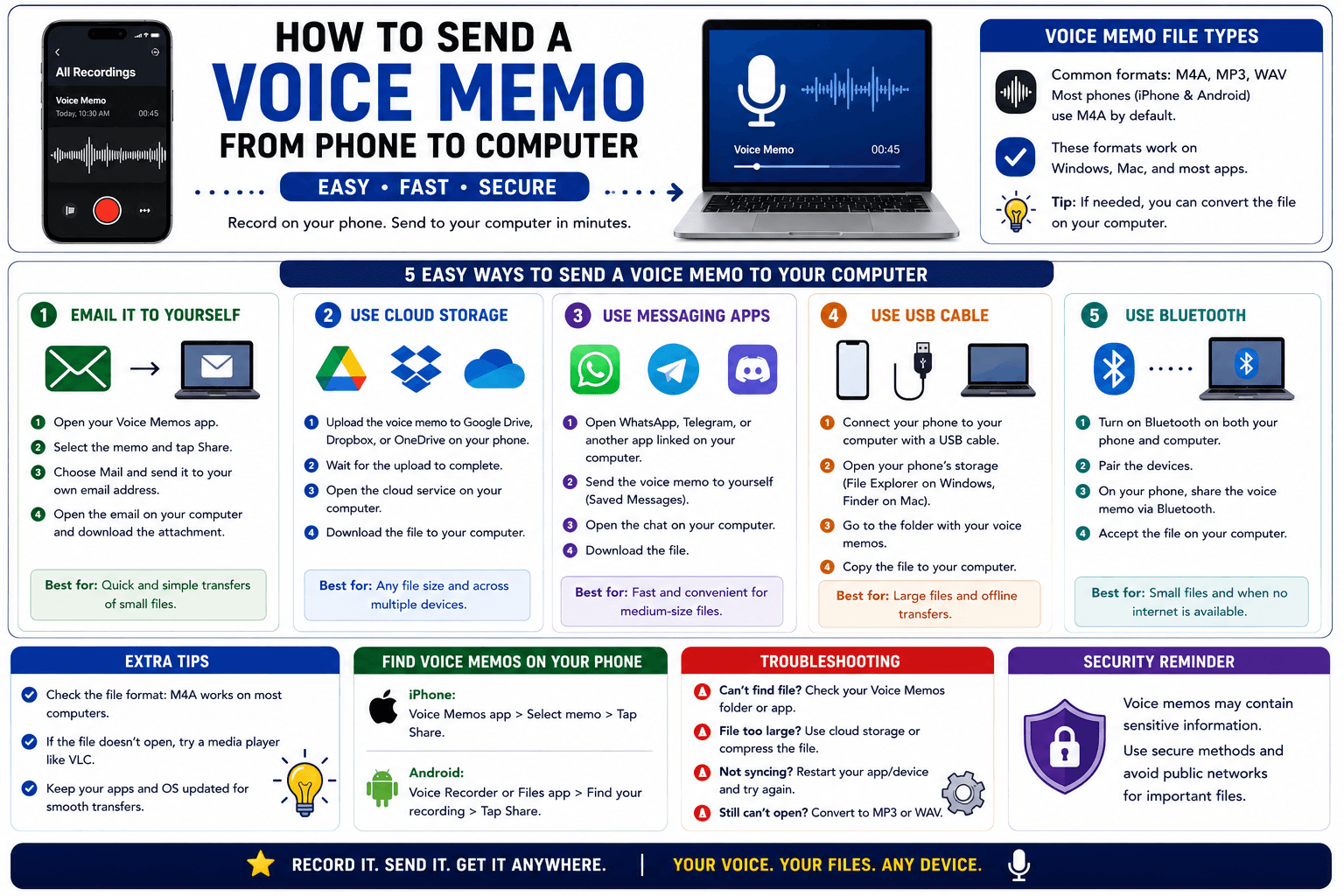
You recorded a voice memo — a quick idea, an interview snippet, a reminder to yourself — and now you need it on your computer to edit, transcribe, or attach somewhere. The usual options (emailing it, AirDropping it if your devices match) work, but there is a faster route when you just need the audio file moved quickly.
Why voice memos are trickier than they should be
Voice memo apps typically store recordings in their own internal library rather than a regular, easy-to-find file on your phone, which means the file has to be explicitly exported or shared before it can go anywhere else. That extra export step is often where people get stuck.
Step 1: export the recording from your voice memo app
On iPhone's Voice Memos app, tap the recording, tap the three-dot menu, and choose Share — this generates a shareable audio file (usually .m4a) rather than keeping it locked inside the app. On Android, most recorder apps have a similar Share option from the recording's menu.
Step 2: move that file to your computer
Fastest: a browser-based transfer over Wi-Fi
- Connect your phone and computer to the same Wi-Fi network.
- Open CopyPaster in a browser on both.
- From the Share menu after exporting the memo, choose to share it into CopyPaster (or save it to your gallery/files first, then upload it through the Files tab).
- Download it on your computer — ready to open in any audio player or editor.
Alternative: AirDrop or Nearby Share (same ecosystem only)
If your phone and computer are the same ecosystem — an iPhone and a Mac, or an Android phone and a Chromebook with the right setup — the built-in nearby-sharing tool works well too, and can be faster for larger recordings since it is a direct device-to-device connection.
Alternative: Email or messaging
Works fine for shorter recordings, though voice memo files can get surprisingly large for longer recordings, occasionally bumping into attachment size limits.
What to do once it is on your computer
- Transcription — most transcription tools accept .m4a or .mp3 files directly once they are on your computer.
- Editing — free audio editors like Audacity open exported voice memo files without any conversion needed.
- Attaching to an email or document — once the file is local, it behaves like any other attachment.
Tip: if you record voice memos regularly for the same purpose — interviews, dictation, notes — keeping the CopyPaster tab open on both devices turns the whole export-and-transfer process into just a couple of taps each time.
The bottom line
The friction with voice memos is almost always the export step inside the recording app, not the transfer itself. Once the file is exported, a Wi-Fi based browser transfer gets it onto your computer just as fast as any photo or document.
Frequently Asked Questions
QHow do I export a voice memo from my iPhone?
Open the Voice Memos app, tap the recording, tap the three-dot menu, and choose Share to generate a shareable audio file rather than keeping it locked inside the app.
QHow do I send a voice memo to my computer without a cable?
Use a browser-based tool like CopyPaster on both your phone and computer over the same Wi-Fi to transfer the exported audio file directly.
QWhat format are voice memos exported in?
iPhone voice memos typically export as .m4a files, which are compatible with most audio players, editors, and transcription tools.
Related articles
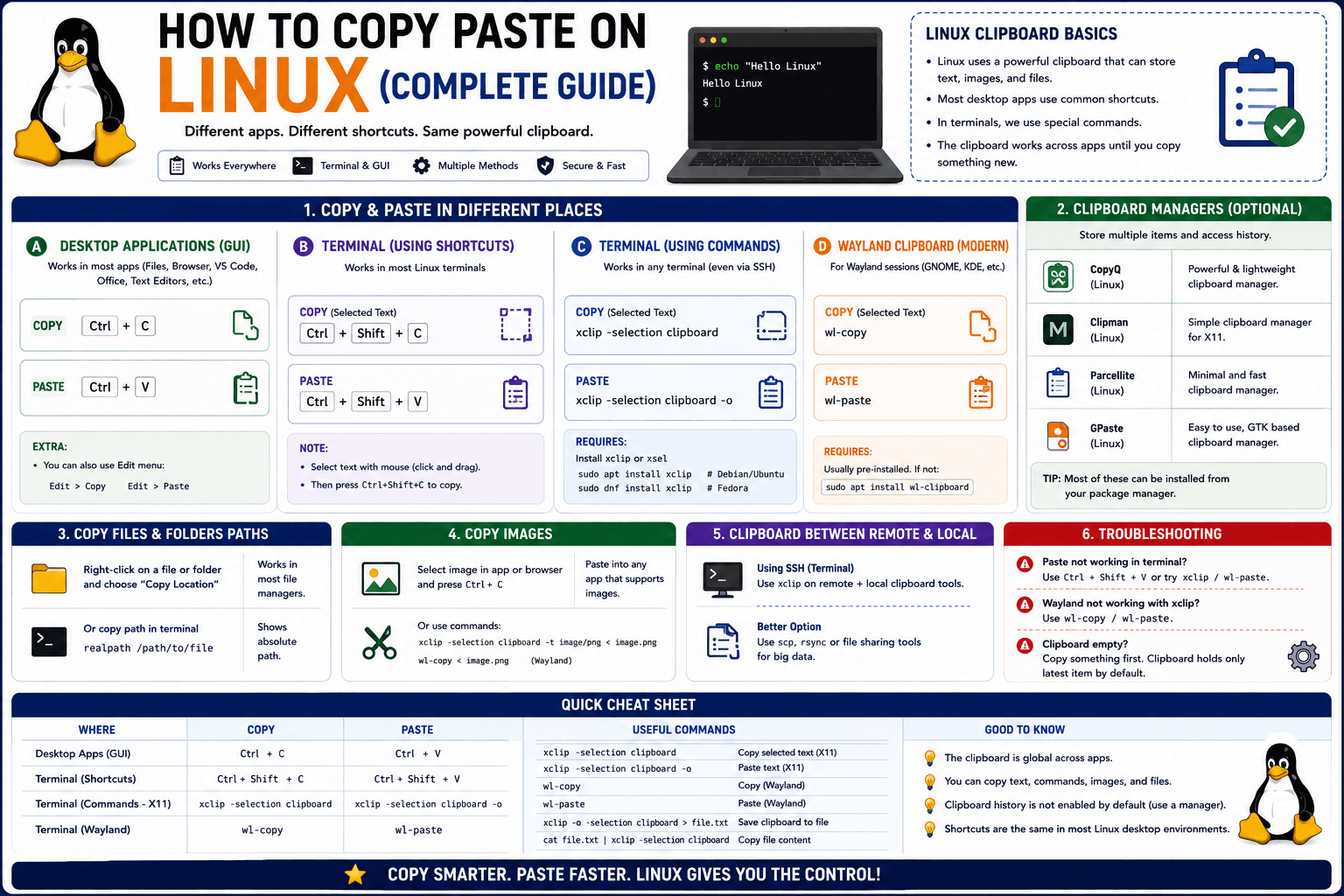
How to Copy Paste on Linux (Complete Guide)
Linux quietly runs two separate clipboards at once. Understanding both explains most copy-paste confusion, plus how to sync with other operating systems.
Read article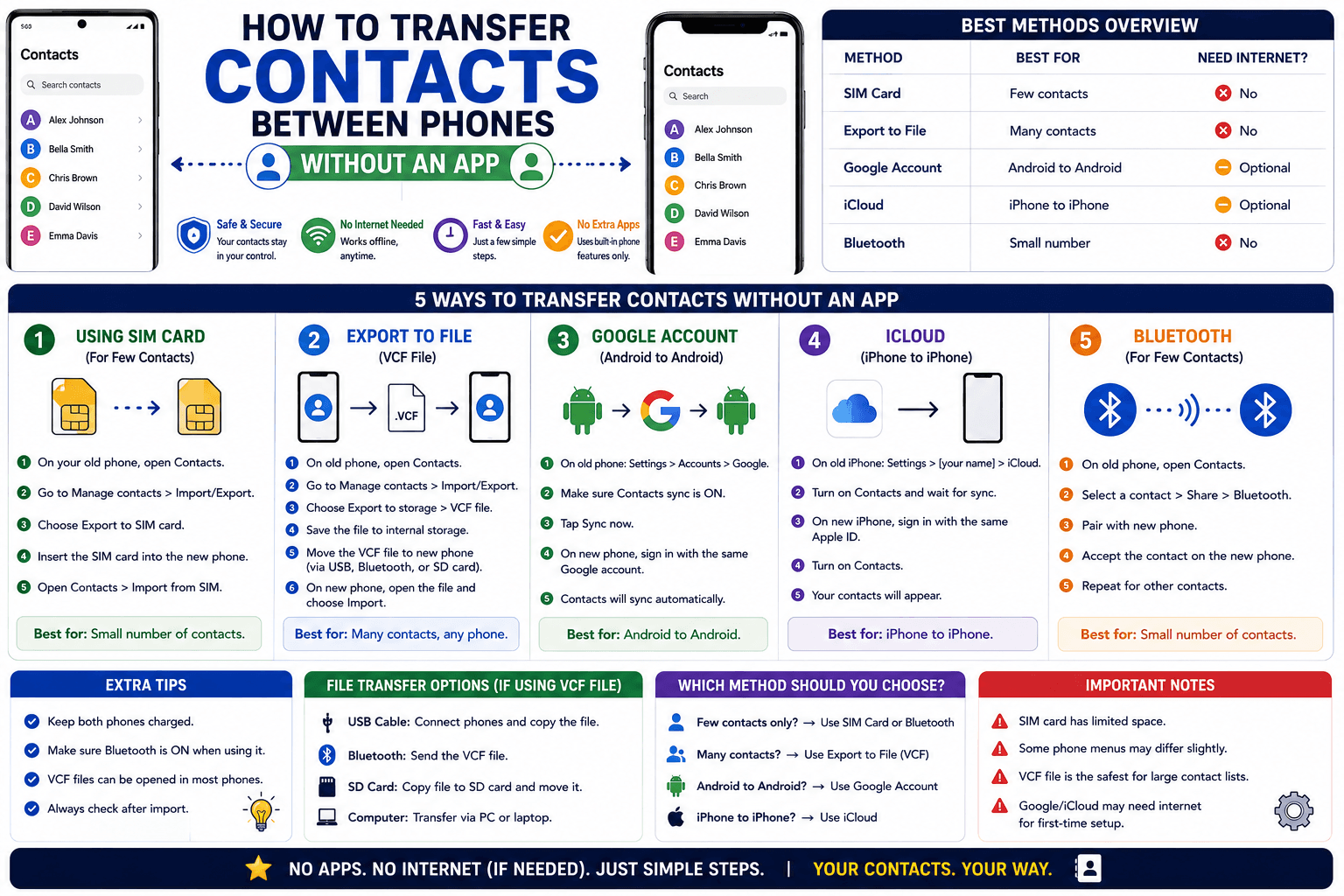
How to Transfer Contacts Between Phones Without an App
Moving to a new phone does not require a third-party transfer app. Here is how to move contacts using built-in sync or a quick vCard file export.
Read article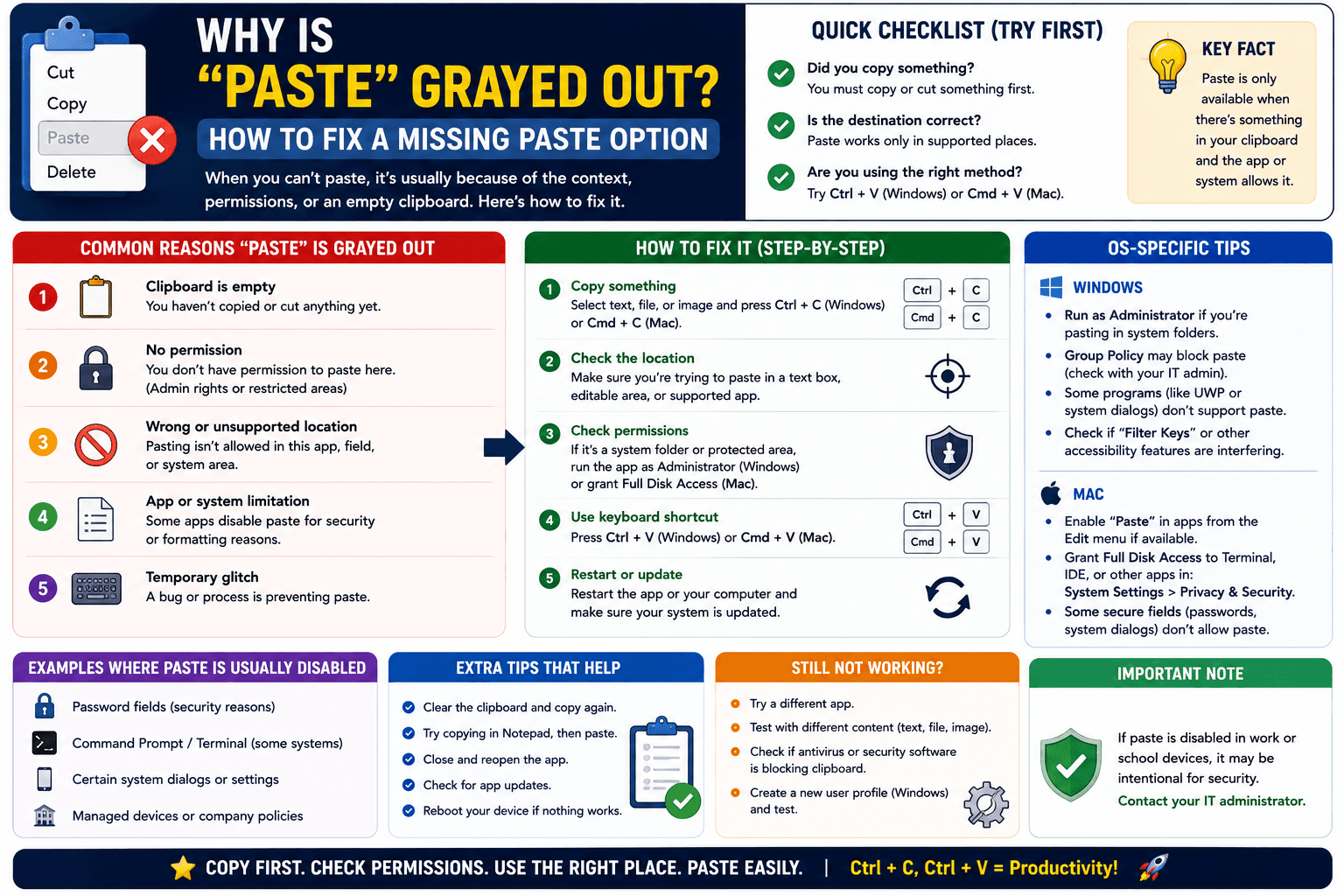
Why Is "Paste" Grayed Out? How to Fix a Missing Paste Option
"Paste" grayed out with no error message? Here are the actual causes and the fastest way to check which one applies to you.
Read article